- Treatments

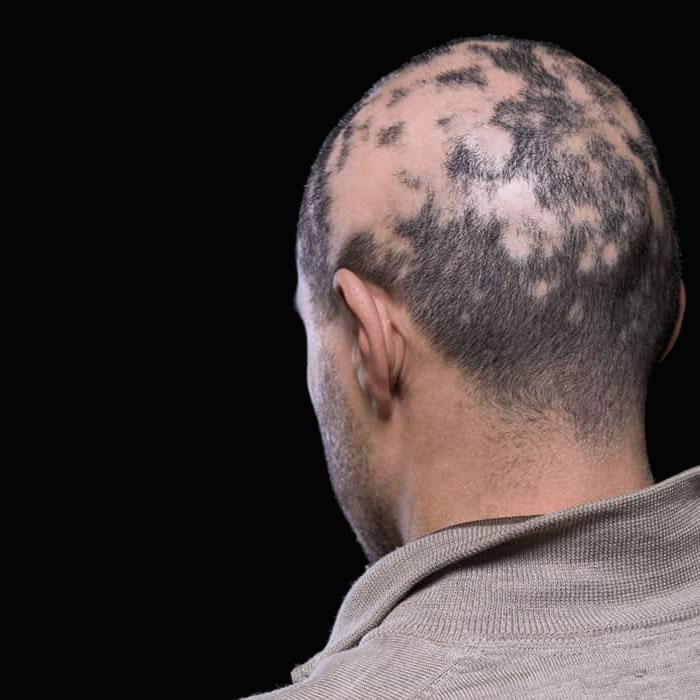
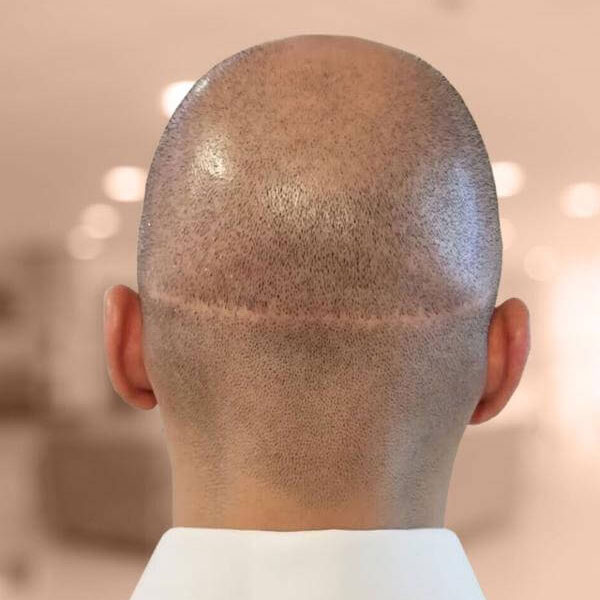
Are you seeking a fresh start to conceal scars or patches of hair loss caused by alopecia? Look no further than SMP for Scars and Alopecia at MC Scalp. This life-changing treatment is designed to restore your confidence and unveil your natural beauty.
Scalp Micropigmentation (SMP) for Scars and Alopecia is an advanced technique that involves skilfully applying pigments to your scalp, creating the appearance of real hair follicles. Our talented artists specialise in concealing scars and delivering a natural-looking solution for hair loss, empowering you to embrace your unique journey.
At MC Scalp, we understand the impact of scars and hair loss on your self-esteem. That’s why we offer SMP for Scars and Alopecia—a non-invasive solution that leaves you feeling rejuvenated and ready to face the world with newfound confidence.
Our experienced artists pay meticulous attention to detail, customizing pigments to match your natural hair color perfectly. The result is a seamless blend that enhances your overall appearance, allowing you to step forward with renewed self-assurance.
Don’t let scars or hair loss define your beauty. Contact us today to schedule a consultation and embark on a transformational SMP journey. Let us help you unveil your natural beauty and embrace a fresh start where scars and hair loss become mere whispers of the past. Together, we’ll create a canvas that radiates with confidence and natural allure.
Pigment can be placed during active phases, but inflammation may affect retention and healing. If patches are growing or shrinking frequently, results can become uneven or require repeated adjustments. We typically recommend waiting until activity has stabilised for at least six months to ensure predictable outcomes. If you are managing flare-ups with medication, we assess your current treatment plan and skin response before confirming suitability. Active inflammation does not rule out the procedure, but it does increase the likelihood of fading or uneven colour as the immune response continues to affect the treated area.
Yes, it creates the appearance of a closely shaved scalp with an even, natural tone. For clients with total hair loss, we design a hairline that suits your age, face shape, and personal preference, then build density across the entire scalp. The result mimics a buzzed hairstyle rather than attempting to replicate individual hairs. This approach works well for those who want definition and reduced shine without committing to wigs or ongoing regrowth treatments. Pigment is placed across the full scalp in layers, requiring multiple sessions to achieve consistent coverage and realistic depth.
Yes, provided the scar is fully healed and no longer changing. Older scars that have remained pale or white for several years are often good candidates because the tissue has stabilised. However, very old scars may have harder or shinier texture, which can affect pigment retention. A consultation and patch test will determine whether the tissue accepts colour evenly. Age alone does not rule out treatment, but tissue quality and response matter more than how long the scar has been present.
It can, though it varies by individual. Scar tissue lacks the normal structure of healthy skin, so pigment may fade unevenly or more quickly in some cases. Sun exposure, skin turnover, and the biological behaviour of the scar all influence longevity. Maintenance sessions every one to three years help sustain the visual match. Some scars hold colour for years with minimal fading, while others need more frequent touch-ups to maintain consistent camouflage.
Generally no. Keloid scars form due to overactive healing responses, and introducing needles and pigment can trigger further keloid growth. Anyone with a history of keloid formation should avoid tattooing on or near scar tissue. A consultation will assess scar type and healing history to determine whether treatment is safe. If there is any concern about abnormal scarring, a medical clearance may be requested before proceeding with camouflage work.
At least twelve months. Scars must be fully healed, stable, and no longer red or firm before tattooing can begin. Starting too early risks poor pigment retention, uneven results, or interference with the natural healing process. The scar should be pale, soft, and no longer changing in appearance. A consultation confirms readiness based on visual assessment and healing timeline. Patience during the healing phase improves the likelihood of successful, long-lasting camouflage.